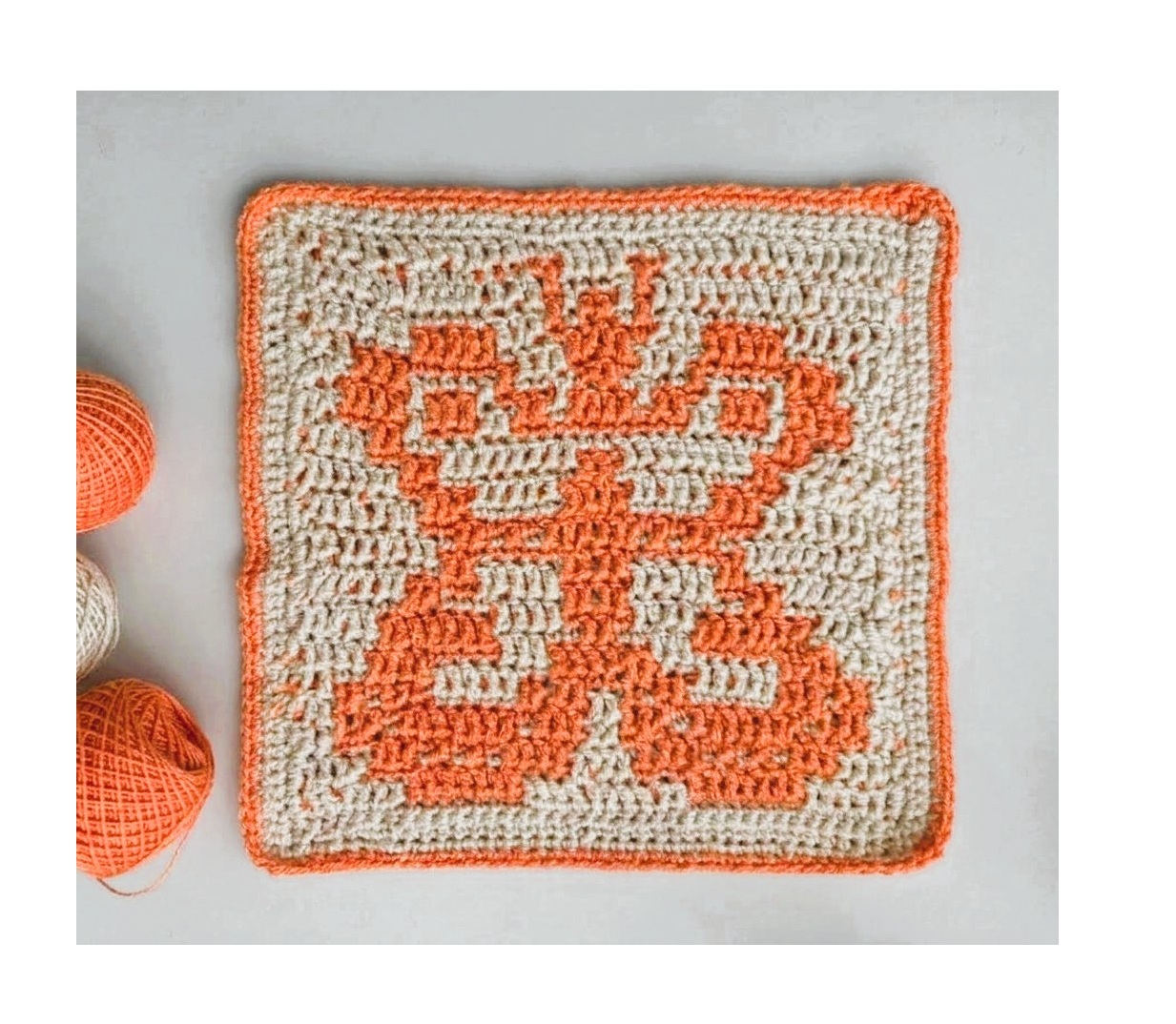
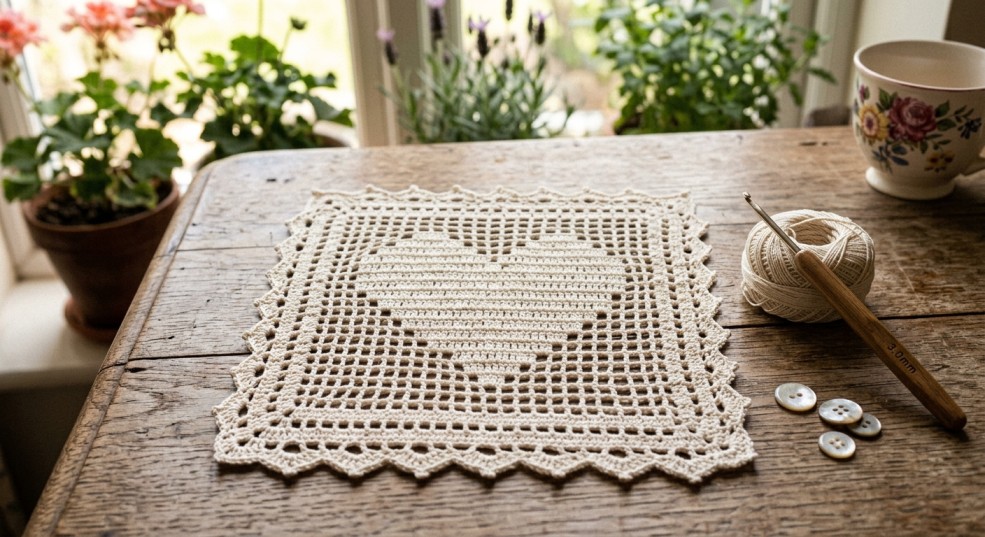
If you've started exploring mosaic crochet, you've probably come across two terms that can be confusing at first: overlay mosaic crochet and inset mosaic crochet (also known as interlocking mosaic crochet).
Both techniques create striking geometric patterns by combining two or more contrasting colors. At first glance, the finished fabrics can look quite similar, but the techniques are constructed in very different ways.
Understanding the difference is important when choosing a pattern or deciding which technique you would like to learn.
The Core Difference
The biggest difference between overlay and inset mosaic crochet is how the pattern is constructed — and how much vertical space that construction requires.
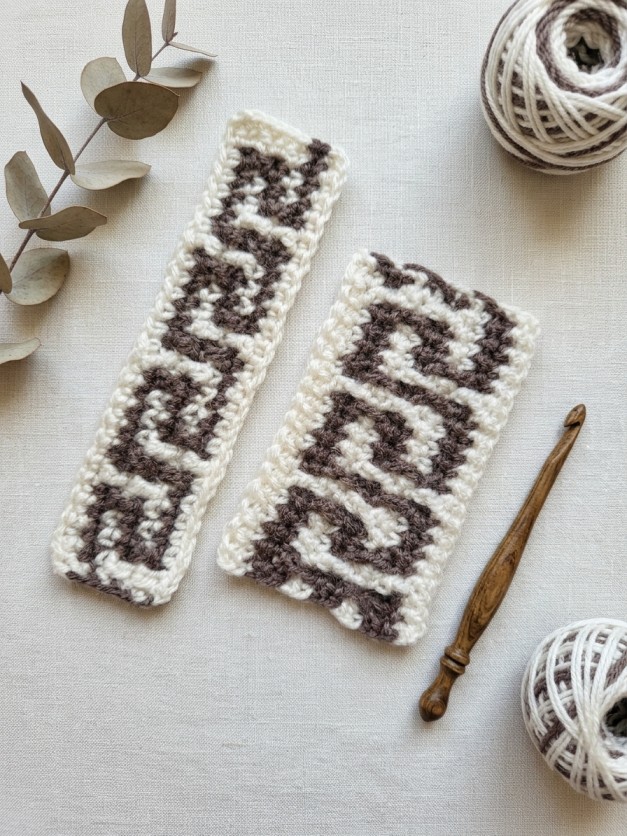
Another important difference becomes obvious when you compare similar designs side by side: an inset mosaic version will generally be much taller than an overlay version of a comparable pattern. In other words, the same or a very similar motif can require significantly more crochet rows when worked using the inset technique.
This happens because the two techniques distribute the colorwork differently. In overlay mosaic, a pattern is typically built one crochet row at a time, with a color change every row or round. In inset mosaic, a color is usually worked for two rows or rounds, and the pattern is constructed through both right- and wrong-side rows or rounds. As a result, a motif that occupies a certain number of chart rows in overlay may need substantially more physical rows to reproduce a comparable design in inset.
Overlay mosaic crochet
Overlay mosaic is generally worked one row or round at a time, changing color frequently — typically after every row or round.
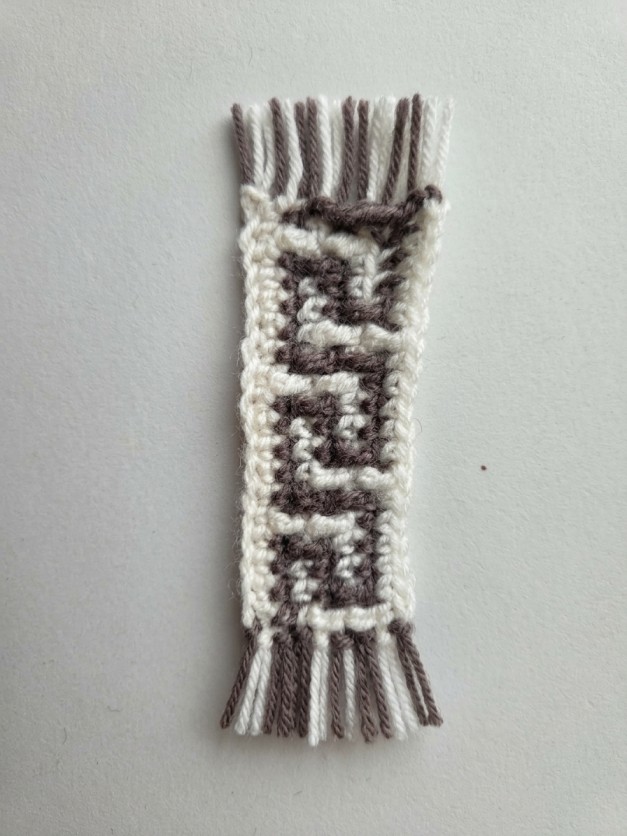
When worked in rows, you normally work the pattern from the right side only. You turn at the end of each row, but because the work is turned so that you are again working from the right side, you are always looking at the front of the fabric as you create the design.
The characteristic raised appearance of overlay mosaic comes from using back-loop single crochet (BLO SC) together with drop-down double crochet stitches. The longer double crochet stitches are worked into lower rows and sit on top of the background stitches, creating the distinctive layered or “overlaid” effect.
This construction makes overlay mosaic particularly recognizable: the motifs appear to be placed or overlaid on top of the background.
Inset mosaic crochet
Inset mosaic crochet, sometimes called interlocking mosaic crochet, is constructed differently.
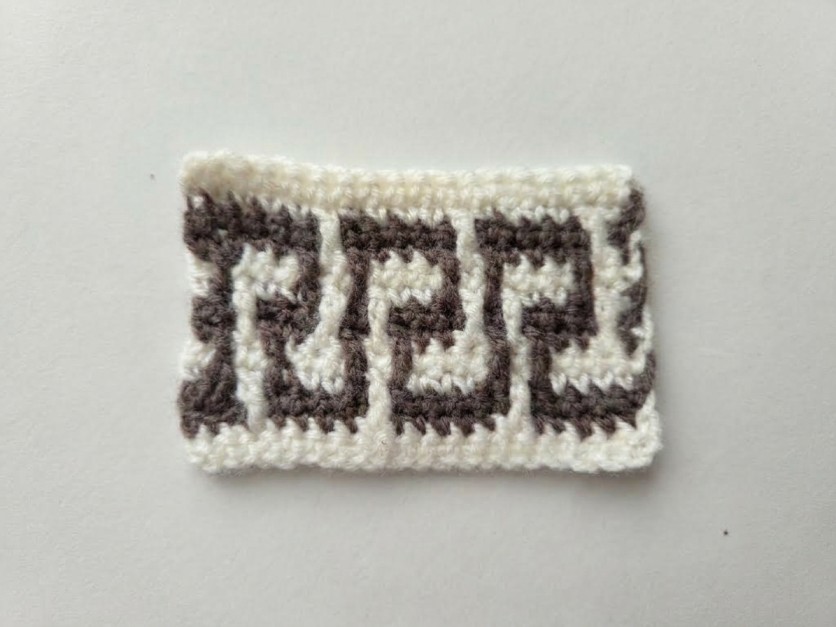
Instead of creating the pattern primarily by overlaying long stitches on top of the previous rows, inset mosaic uses a combination of single crochet, chains, and double crochet to build the colorwork.
Inset mosaic can be worked through both right-side and wrong-side rows or rounds, depending on the pattern. A color is commonly worked for two rows or rounds before changing to the next color.
Because both sides of the fabric may be involved in constructing the pattern, inset mosaic requires a somewhat different way of reading and following a chart.
The resulting fabric is generally flatter and lighter than overlay mosaic, although the exact characteristics will depend on the yarn, hook, tension, and individual pattern.
Why Does Overlay Mosaic Have More Yarn Ends?
One of the first things crocheters notice about overlay mosaic is the number of yarn ends.
Since the color often changes every row or round, there can be more ends to deal with. Some patterns cleverly incorporate these ends into the design, use them as fringe, or provide a method for enclosing them as you work.
Inset mosaic generally requires fewer color changes, because a color is often used for two rows or rounds before switching. As a result, there are usually fewer ends to weave in.
For anyone who dislikes finishing, this can be an important practical difference between the two techniques.
Which Technique Should You Try First?
There isn't one mosaic technique that is universally better for beginners. They simply require you to learn different construction methods.
If you enjoy working from the right side and like seeing a bold, highly textured design develop row by row, overlay mosaic may feel very intuitive.
If you prefer a flatter fabric, fewer yarn ends, and are comfortable working both right-side and wrong-side rows or rounds, inset mosaic may be worth exploring.
The important thing is to learn the construction method used by the particular pattern rather than relying only on the word “mosaic.”