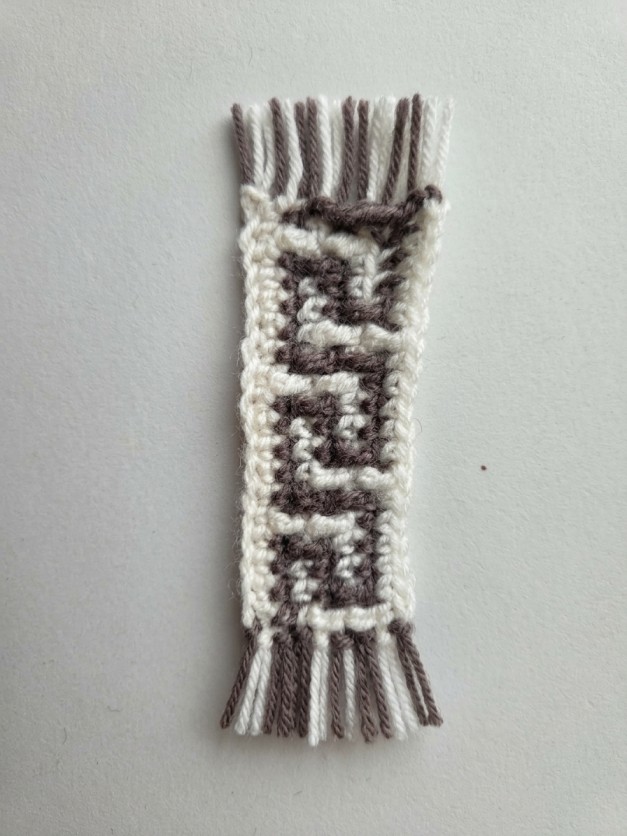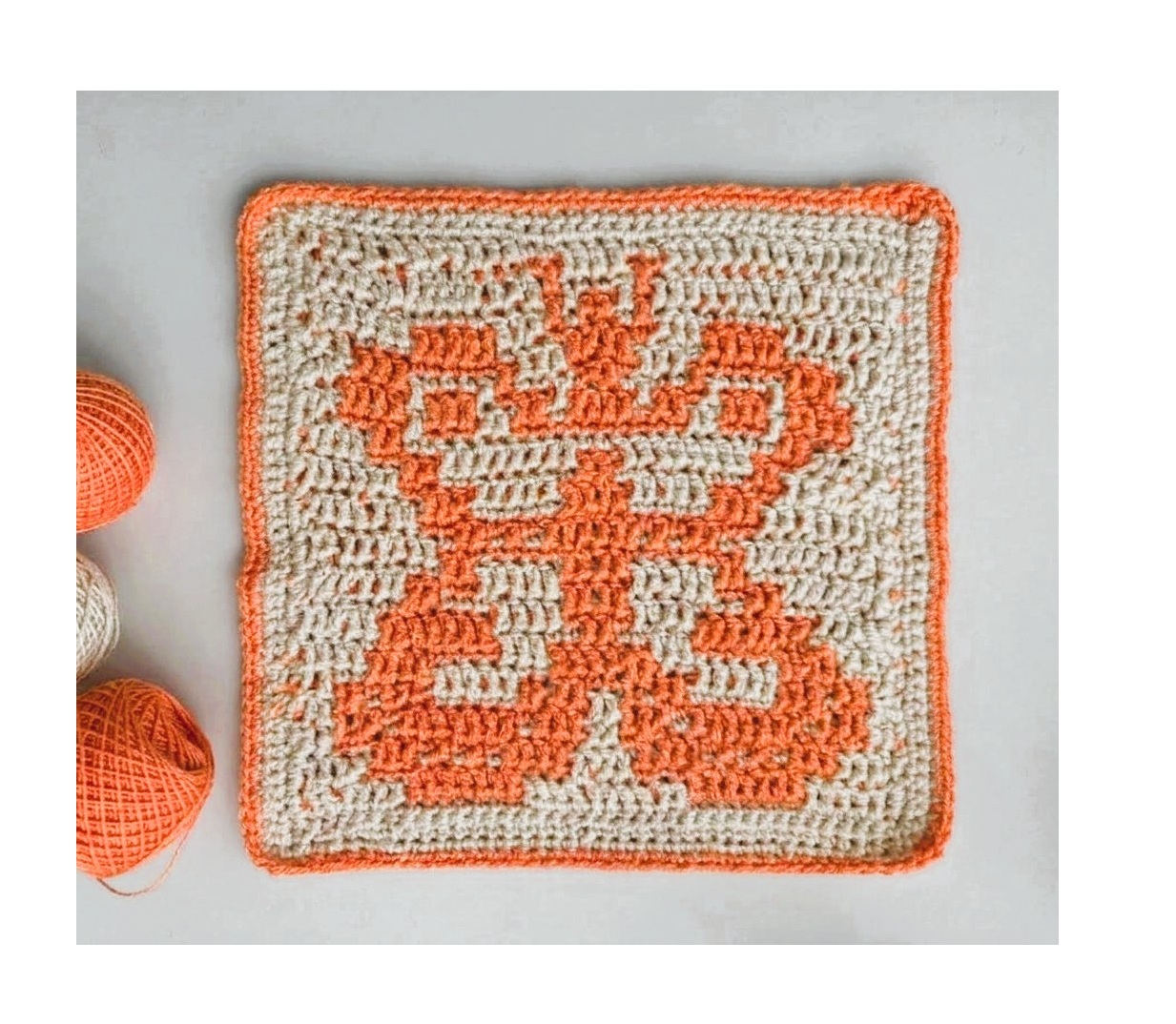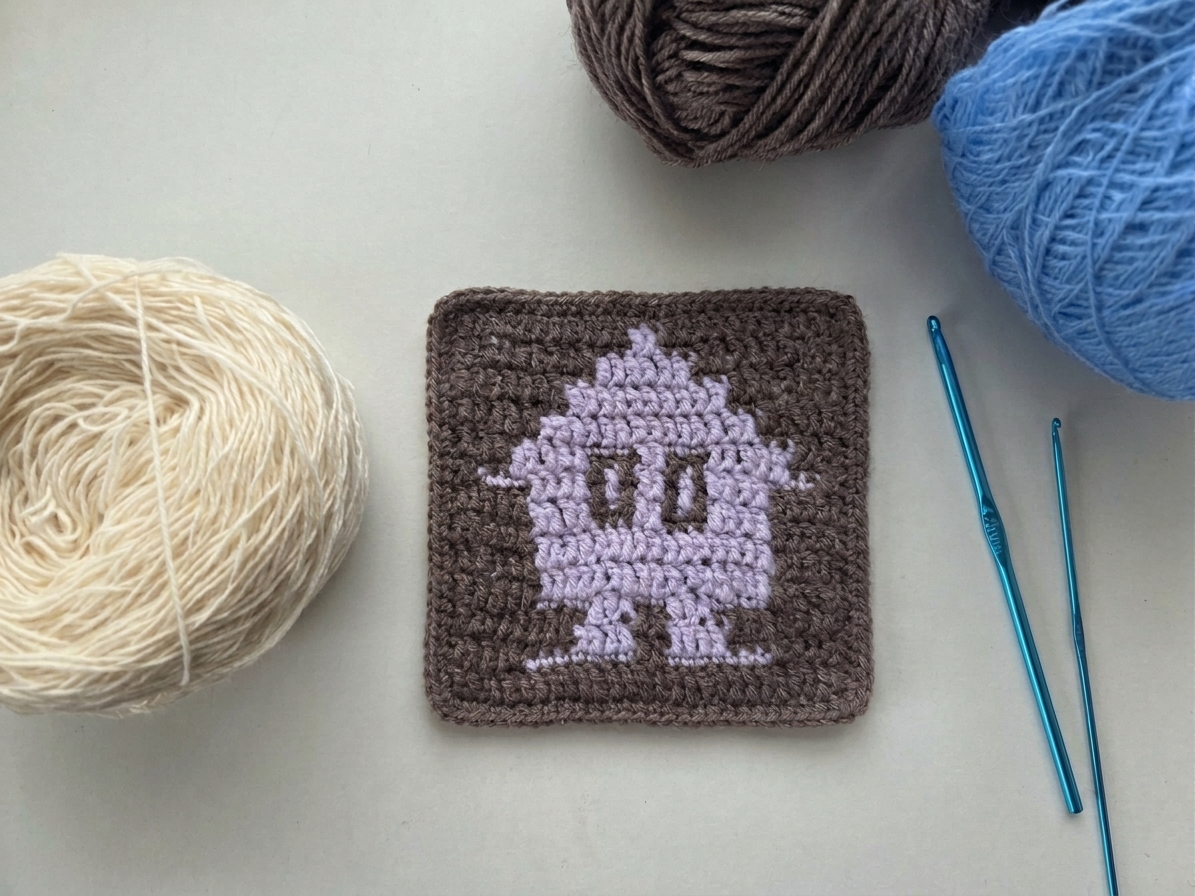
Mosaic crochet has a reputation problem. One look at a finished piece — with its sharp geometric shapes seeming to float above the background — and most people assume it must take years of experience to pull off. The truth is the opposite: mosaic crochet is one of the most beginner-friendly colorwork techniques in crochet, and this guide will show you exactly why.
What Makes Mosaic Crochet Different from Other Colorwork
Before answering whether it's beginner friendly, it helps to understand what mosaic crochet actually is. Unlike tapestry crochet, where you carry multiple strands of yarn across a row at once, mosaic crochet uses only one color per row. You switch colors every row, and the pattern forms because certain stitches are worked into the row two rows below, creating a raised, layered effect.
This one detail — one color per row — is exactly why mosaic crochet is easier than it looks. You're never juggling two yarns in your hands. You're never stranding yarn across the back of your work. You're just crocheting a normal row, in a single color, following a chart that tells you which stitches to work differently.
The Only Two Stitches You Actually Need
If you can single crochet and double crochet, you already have the technical skill required for mosaic crochet. That's the whole stitch vocabulary for most patterns:
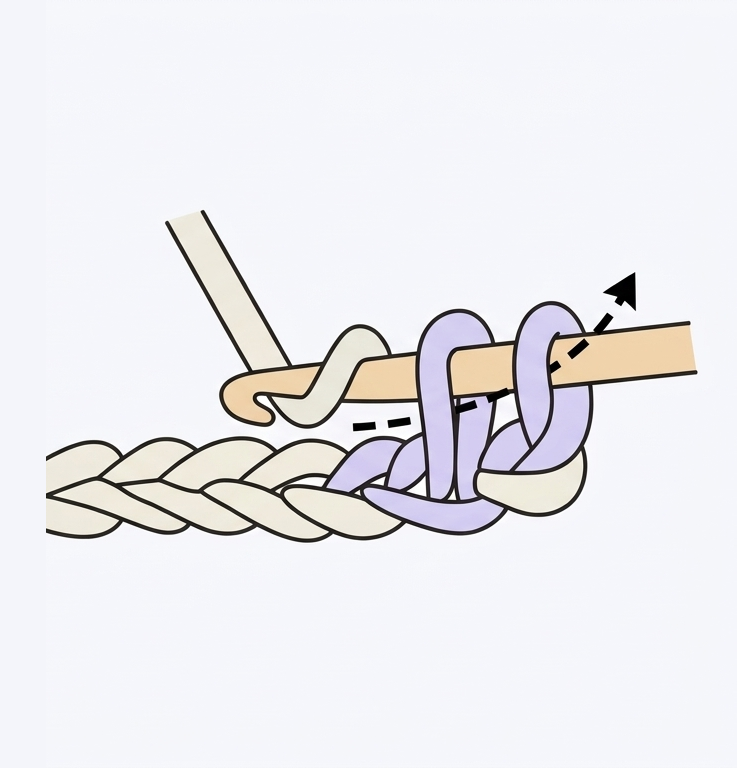
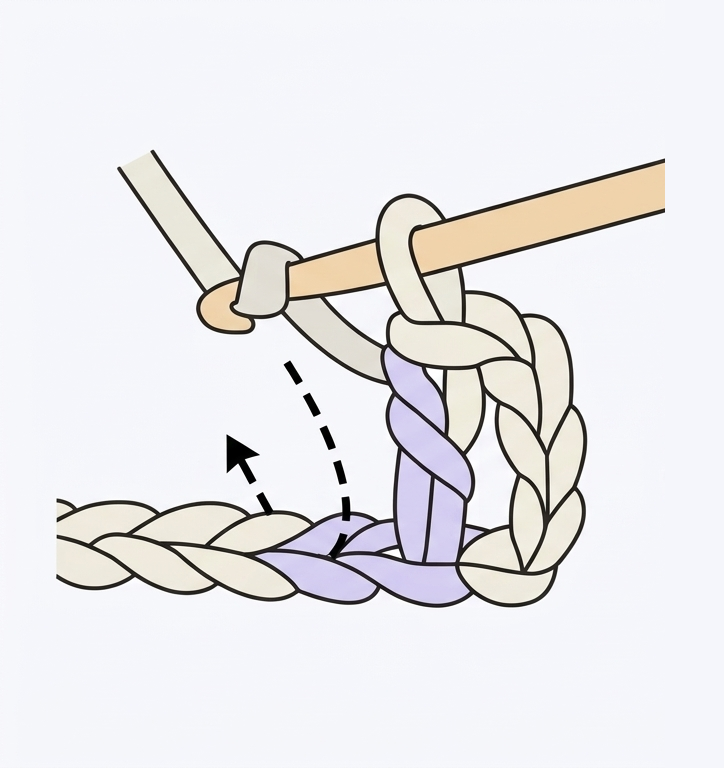
- Single crochet (sc) — used for background/relief stitches
- Double crochet (dc), often worked as a front post double crochet in overlay mosaic — used for the raised stitches that form your design
There's no special stitch to learn, no new technique to practice in isolation. If you've completed even one or two basic crochet projects, you already have the muscle memory this technique needs.
What You Should Know Before Starting
Mosaic crochet isn't your very first project — and that's a different question from whether it's beginner friendly. You'll want to be comfortable with:
- Basic stitches — single crochet, double crochet, and chaining, done automatically without having to think about each one
- Chart reading basics — mosaic patterns are almost always given as a grid rather than written row-by-row instructions, so you'll be reading colored squares instead of counting written stitches
- Consistent gauge — because the design depends on stitches lining up precisely two rows below, loose or inconsistent tension can distort the pattern.
If those three things sound manageable, you're ready — mosaic crochet is very much a "next step" technique rather than an advanced one.
Overlay vs. Inset Mosaic: Which Should Beginners Start With?
You'll come across two main approaches when you start looking at mosaic crochet patterns:
- Overlay mosaic — worked only on the right side of the fabric, turning and fastening off at the end of every row. This makes it easier to see your pattern forming as you go, which is why most beginners find it more intuitive to start with.
- Inset (interlocking) mosaic — worked in continuous rounds without fastening off, which is more efficient for larger projects like blankets, but slightly harder to "read" visually while you're working since you're looking at both right and wrong side rows.
For your first project, overlay mosaic is the easier entry point.
Designing Your Own Mosaic Pattern as a Beginner
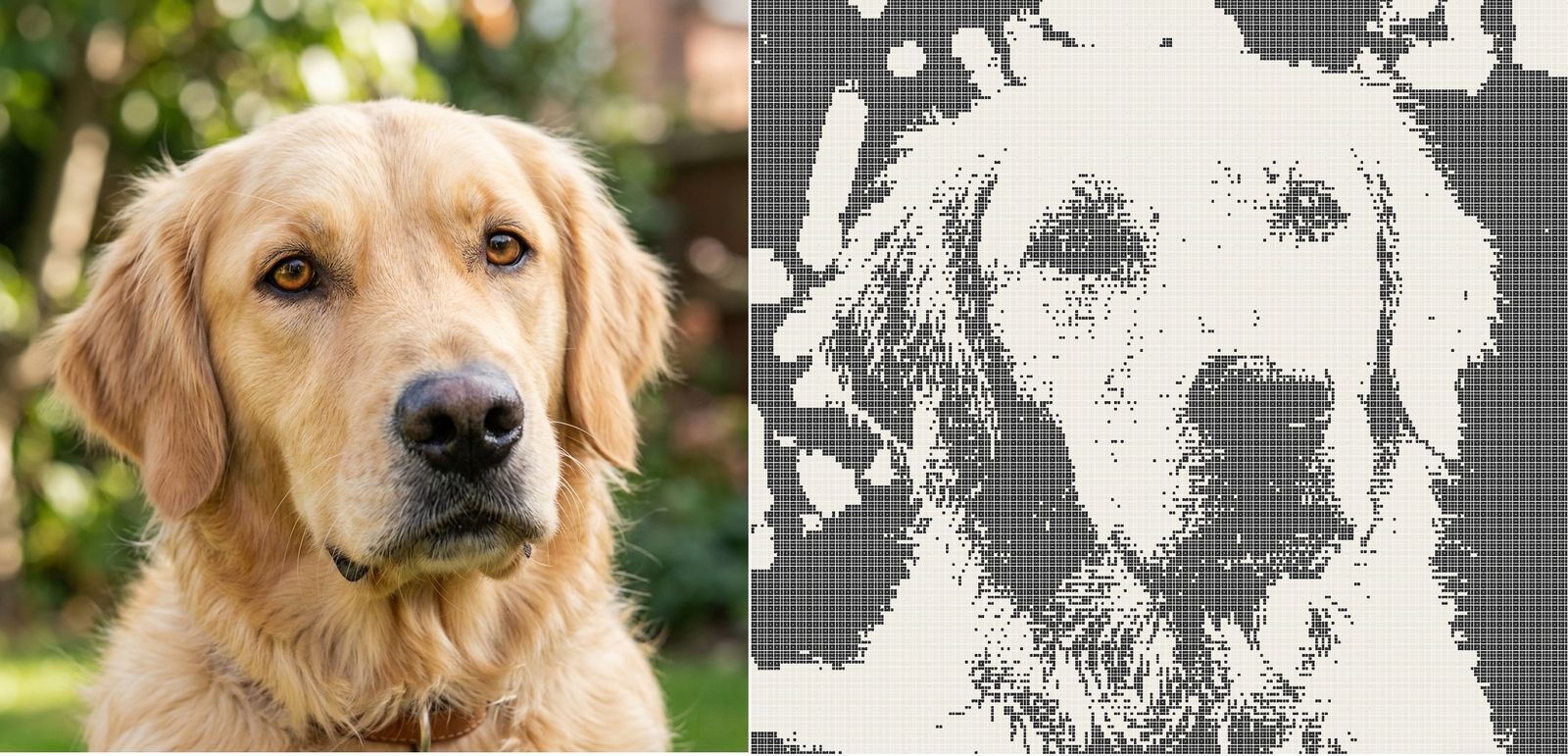
Once the technique clicks, a lot of people want to move from following patterns to designing their own — even something simple like initials or a small geometric motif. This is usually the point where people either give up (hand-charting on graph paper is slow and error-prone) or turn to a dedicated tool like Mosaicery.
It was built for exactly this stage — you paint your design on a digital grid, and it checks the pattern for you as you go, so you're not three rows into your actual crochet before realizing the chart didn't work. It's free to try during launch.